HMAP helps hotels, resorts, restaurants and hospitality organizations see their operations through the eyes of the guest and the discipline of an independent evaluator.
From mystery guest audits and quality assurance to operational compliance, guest experience intelligence and targeted training, we transform findings into clear priorities for continuous improvement.
HMAP looks beyond what the guest sees, evaluating the complete guest journey alongside the back-of-house operations that support the experience.
THE COMPLETE GUEST JOURNEY
Reservations & Pre-arrival
Arrival & Welcome
Front Office & Reception
Guest Rooms & Housekeeping
Restaurants & F&B
Guest Services & Facilities
Service Interactions
Departure & Post-stay Experience
BACK-OF-HOUSE INSPECTION
Stores & Receiving
Stewarding
Kitchen & Pantry
Bakery & Confectionery
Butchery
Staff Cafeteria
Staff Locker Room
Other relevant back-of-house areas
One Integrated Assessment. A 360° View of the Hospitality Experience.
From Audit to Intelligence
Findings That Lead to Action.
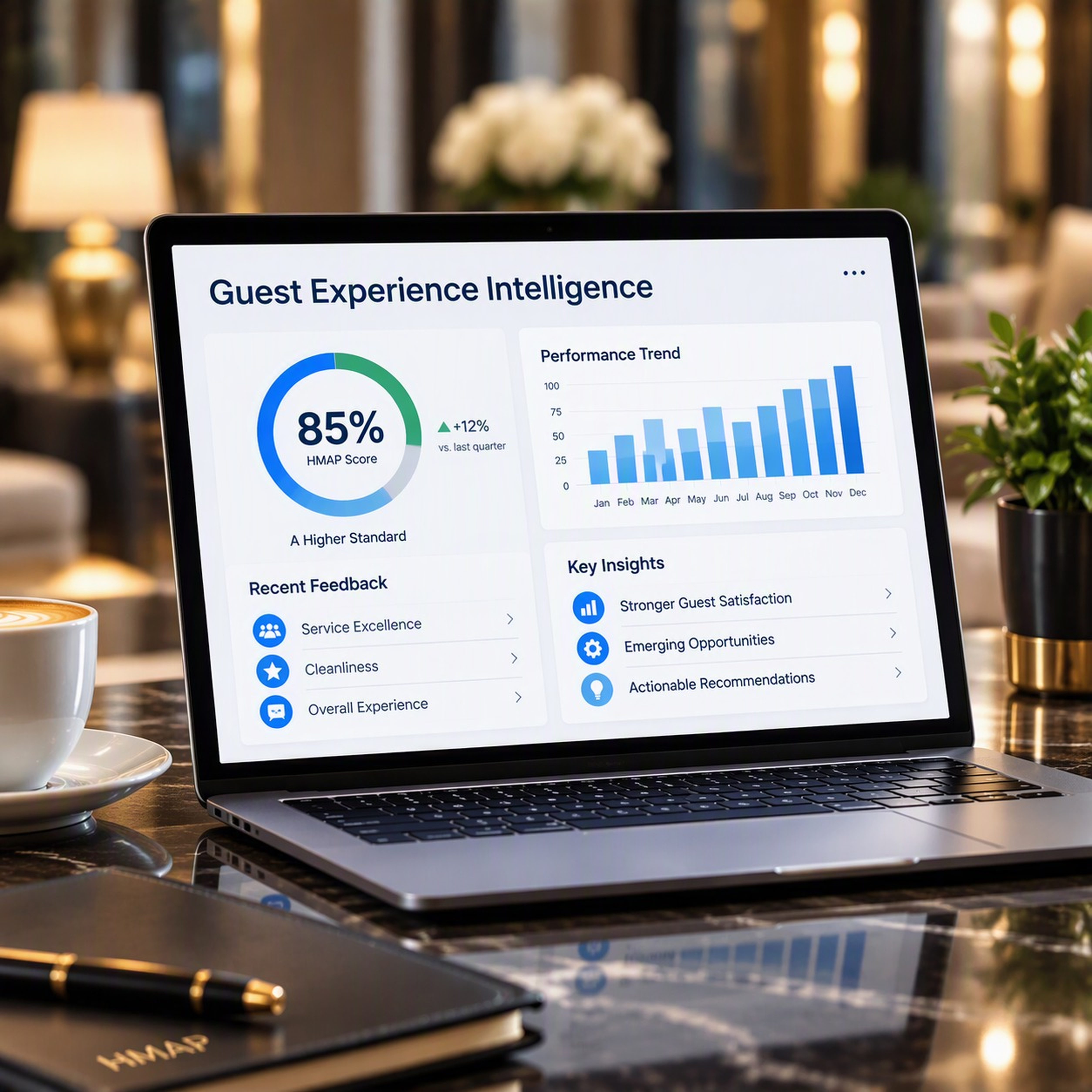
HMAP transforms audit findings into meaningful Hospitality Intelligence™, helping management identify performance gaps, prioritize areas for improvement, and make more informed operational decisions
HMAP combines independent evaluation, hospitality expertise and the SMART™ framework to translate audit findings into clear, practical improvement priorities.
HMAP's approach is shaped by nearly three decades of hands-on hospitality experience, complemented by first-hand insight into professional mystery auditing.
We Don’t Just Identify Gaps. We Help You Understand What to Improve Next.
A hospitality mystery audit is an independent assessment of the guest experience conducted from the perspective of a guest. It evaluates relevant service interactions, operational touchpoints, and agreed standards to identify strengths, inconsistencies, and opportunities for improvement.
2. What is the difference between a hospitality mystery audit and a hotel mystery audit?
A hotel mystery audit focuses specifically on the hotel guest journey and relevant hotel operations. A hospitality mystery audit can extend to a broader range of hospitality environments, including hotels, resorts, restaurants, food & beverage outlets, wellness facilities, and other guest-focused services.
HMAP's approach can be customized to the type of hospitality operation and the agreed assessment scope.
3. How is a luxury hotel mystery audit different?
A luxury hotel mystery audit can place greater emphasis on the details that influence a premium guest experience, including personalization, anticipation, service behaviors, product presentation, consistency, attention to detail, and emotional engagement.
The assessment criteria can also be aligned with the property's applicable brand standards, SOPs, service culture, and guest experience expectations.
4. Do you provide restaurant mystery audits?
Yes. HMAP offers mystery audit assessments for restaurants and food & beverage operations.
Depending on the agreed scope, assessments can review areas such as reservations, arrival and welcome, service delivery, product knowledge, food and beverage presentation, staff interaction, billing accuracy, cleanliness, and the overall guest experience.
5. What is the difference between a mystery audit and a Quality Assurance Audit?
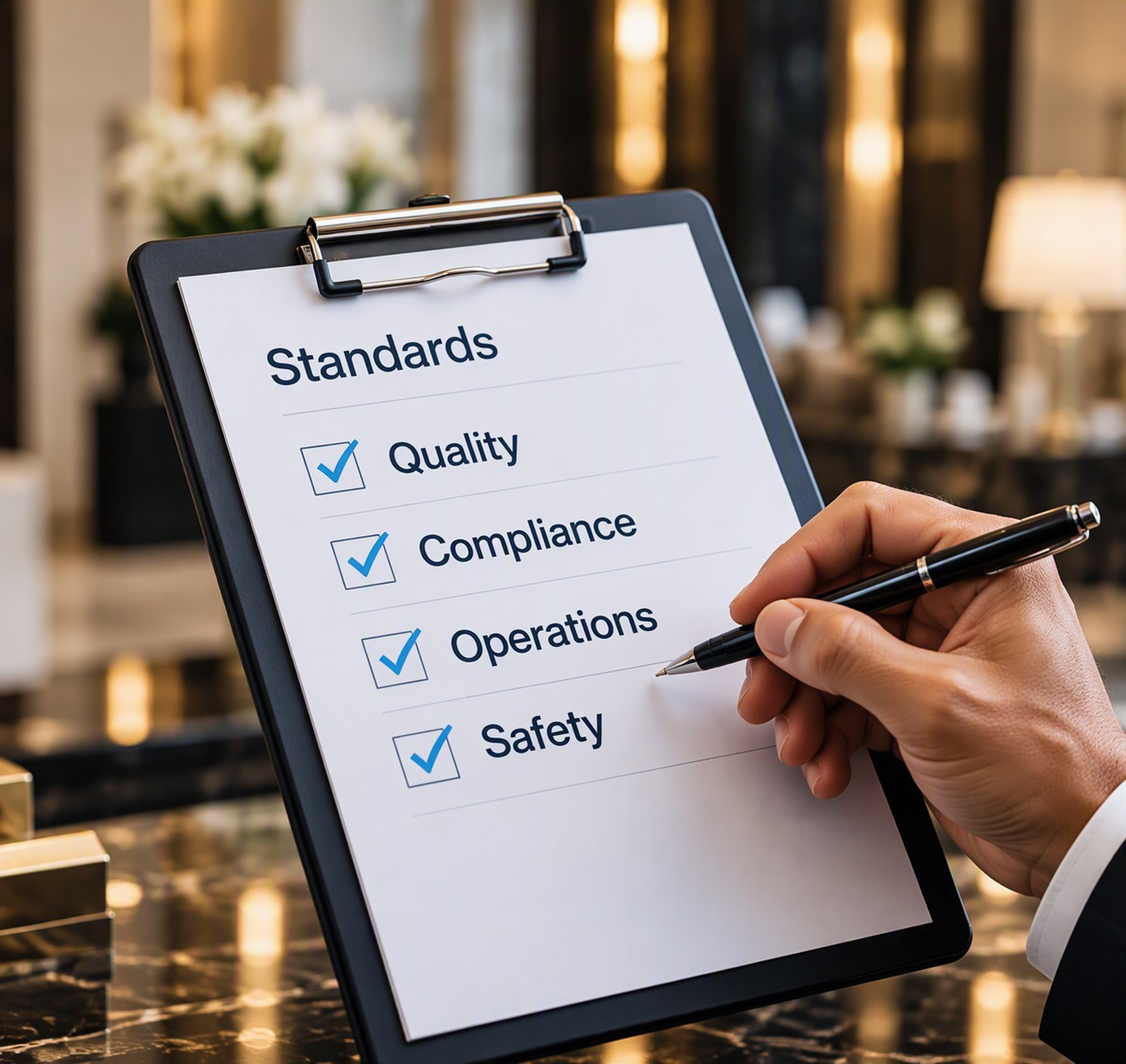
A mystery audit evaluates the experience discreetly from the guest perspective, while a Quality Assurance Audit generally focuses on compliance with defined operational, service, quality, or brand standards.
HMAP can structure an assessment around either approach or combine relevant elements where appropriate to the client's requirements.
6. What does a Brand Standard Compliance Audit evaluate?
A Brand Standard Compliance Audit evaluates performance against agreed and legitimately available brand standards or client-provided requirements.
Depending on the scope, this may include service delivery, operational procedures, physical presentation, guest touchpoints, cleanliness, employee interactions, and other applicable requirements.
Findings can help management identify areas where actual delivery differs from the standards included within the agreed assessment.
7. What is included in a Back-of-House Audit?
Depending on the agreed scope, an HMAP Back-of-House Inspection can assess areas such as:
Stores & Receiving
Stewarding
Kitchen & Pantry
Bakery & Confectionery
Butchery
Staff Cafeteria
Staff Locker Room
Other relevant operational areas
The assessment can consider observable conditions and agreed criteria relating to cleanliness, hygiene, storage practices, operational controls, workplace organization, and applicable procedures.
8. Can HMAP customize an audit for our property or hotel group?
Yes. HMAP assessments can be customized around the property's operating environment, applicable standards, SOPs, service culture, guest journey, management priorities, and specific assessment objectives.
Depending on the engagement, customization can include assessment criteria, departmental scope, scoring approach, priority areas, reporting structure, and relevant operational or development focus areas.
Your Property. Your Standards. Your Priorities.
9. How does SMART™ connect with HMAP's audit services?
SMART™ is HMAP's hospitality improvement framework designed to connect assessment findings with structured analysis, improvement priorities, and relevant development opportunities.
Rather than treating the audit as an isolated assessment, SMART™ provides a structured approach to:
Evaluate → Analyze → Prioritize → Improve
The objective is to help hospitality leaders understand not only where gaps exist, but also where attention and improvement should be focused.
10. What happens after an HMAP audit?
Following an audit, findings are analyzed and structured into a report highlighting relevant observations, areas of strength, identified gaps, and improvement priorities.
Depending on the agreed scope, reporting can include scoring, supporting observations, management-level insights, and actionable recommendations.
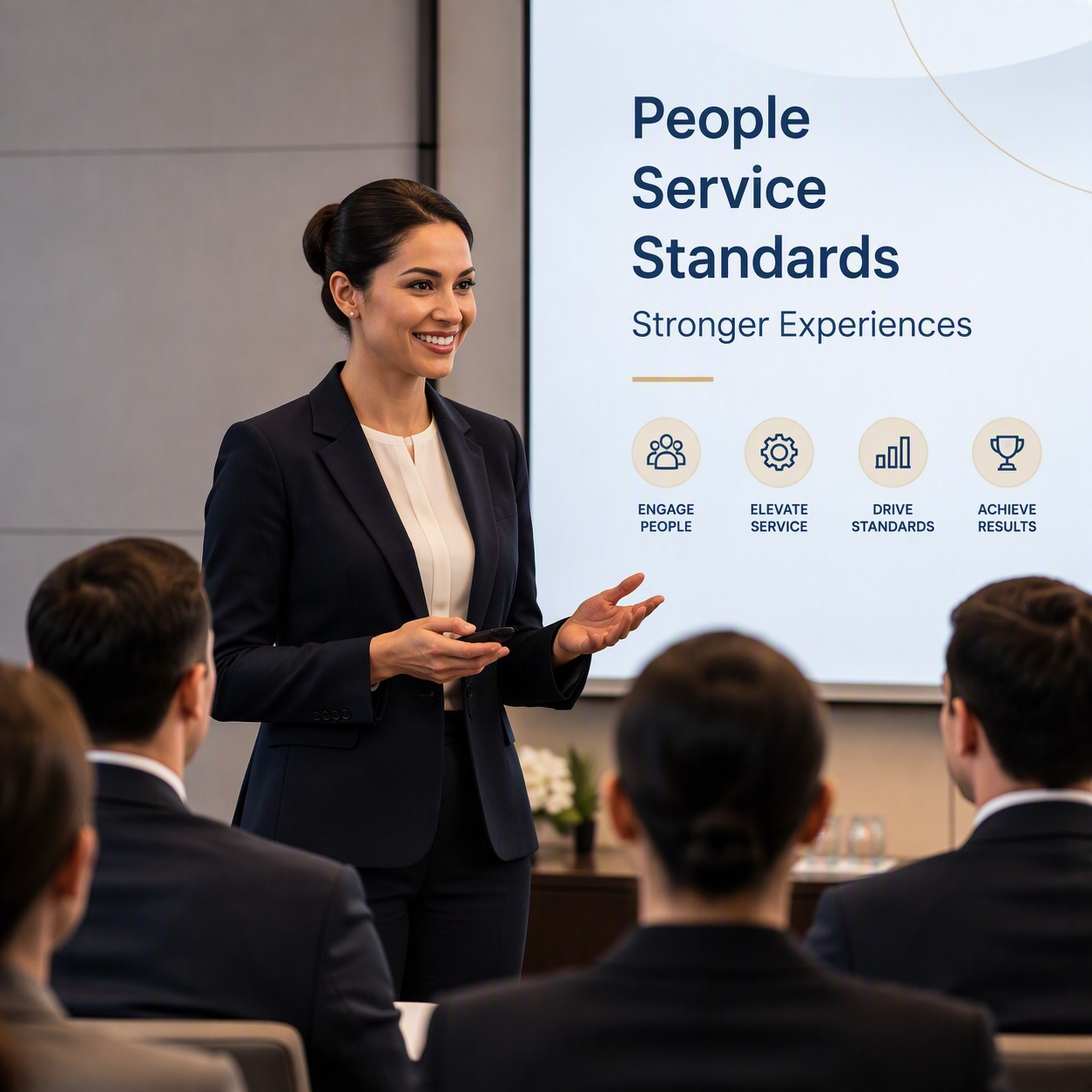
Where included within the engagement, HMAP can also support management in reviewing findings and identifying relevant operational, service, training, or development priorities.



.png)