
Hospitality
⭐ Featured
Why Experience-Driven Mystery Audits Are Transforming Luxury Hotel Quality Standards
Delivering consistent service excellence has become one of the most complex challenges for modern hotel operators. While brand standards, SOPs, and internal audits provide structure, they do not always capture what truly defines success, the guest’s personal perception of the experience.
L
logesh
Author
06 August 2025
11 views
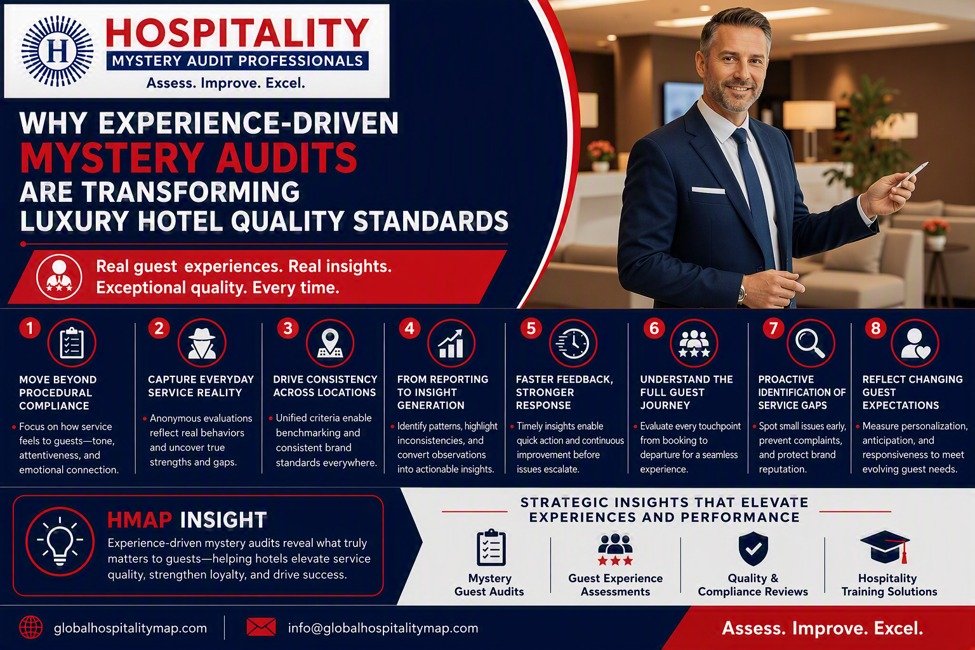
Delivering consistent service excellence has become one of the most complex challenges for modern hotel operators. While brand standards, SOPs, and internal audits provide structure, they do not always capture what truly defines success, the guest’s personal perception of the experience.
As expectations continue to evolve, hotels are rethinking how performance is measured. The industry is gradually shifting away from traditional inspection-based systems toward more immersive, experienced evaluation models that reflect real guest behavior and emotions.
1. Moving Beyond Procedural Compliance
Audit frameworks have historically focused on verifying whether teams follow predefined processes correctly. While this ensures operational discipline, it often overlooks whether those interactions feel natural, engaging, or memorable to the guest.
Experience-led evaluations address this gap by focusing on quality-of-service delivery. Elements such as tone, attentiveness, personalization and emotional connection become key indicators, providing a more realistic understanding of how guests perceive the brand.
2. Capturing Everyday Service Reality
When evaluations are scheduled or expected, front line teams naturally adjust their behavior. This creates a performance environment that may not reflect actual day-to-day operations.
Mystery guest methodologies eliminate this distortion. By operating anonymously within real guest scenarios, they capture authentic behaviors, allowing hotel leaders to identify recurring service strengths and areas needing improvement.
3. Driving Consistency Across Multiple Locations
As hospitality brands expand across regions, maintaining consistent guest experience becomes increasingly challenging. Variations in execution can dilute brand identity over time.
A unified mystery audit framework enables organizations to apply the same evaluation criteria across all properties. This provides clear bench marking, allowing performance comparisons and ensuring that brand standards are upheld regardless of location.
4. From Reporting to Insight Generation
Basic audit reports are no longer sufficient in a competitive hospitality landscape. Decision-makers require insights that can directly influence operations, training, and guest satisfaction strategies.
Modern evaluation systems go beyond observations. They highlight behavioral patterns, identify recurring inconsistencies, and provide actionable direction turning assessment into a strategic tool rather than a compliance exercise.
5. Faster Feedback, Stronger Response
Traditional audit cycles often involve delays between evaluation, reporting, and action. This lag reduces the ability to respond effectively to emerging service issues.
Experience-based evaluations provide more immediate feedback, enabling management teams to act quickly. This agility allows hotels to address concerns before they escalate and continuously refine service delivery in real time.
6. Understanding the Full Guest Journey
Guest experience is not defined by a single interaction but by a sequence of touch points that must feel seamless and connected.
Unlike conventional audits that focus on individual departments, mystery evaluations assess the entire journey from reservation to departure. This approach highlights how different functions work together to deliver a cohesive and satisfying experience.
7. Proactive Identification of Service Gaps
Small inconsistencies can significantly impact guest perception, especially in premium hotel environments. Identifying these gaps early is essential.
Mystery guest evaluations act as an early detection mechanism, uncovering issues before they become visible through guest complaints or reviews. This proactive capability strengthens service reliability and brand trust.
8. Reflecting Changing Guest Expectations
Today’s travelers expect more than efficiency, they expect intuition, personalization, and emotional engagement. Service is judged not just on what is delivered, but how it is delivered.
Modern audit approaches are designed to evaluate these subtleties. By measuring attentiveness, anticipation, and responsiveness, they provide a clearer picture of how well teams align with evolving guest expectations.
Elevating Hospitality Performance Through Strategic Insights
At Hospitality Mystery Audit Professionals (Hospitality MAP), we focus on uncovering the realities of guest experience through carefully designed evaluation frameworks. Our approach goes beyond surface-level observations, delivering insights that help hotels strengthen consistency, elevate service culture, and enhance overall performance.
By combining industry expertise with a guest-centric perspective, we support hospitality brands in creating experiences that resonate long after the stay.
Conclusion
Measuring service quality is no longer just about verifying standards, it is about understanding experiences. As the hospitality landscape evolves, evaluation methods must evolve with it.
Experience-driven mystery audits offer a more accurate, unbiased, and insightful approach to performance measurement. By focusing on real guest interactions and perceptions, they provide the clarity hotels need to remain competitive and deliver consistently exceptional service.
We value your insights and invite you to contribute to the discussion. Your email address will remain confidential. Fields marked with * are mandatory.
Related Articles
Hospitality
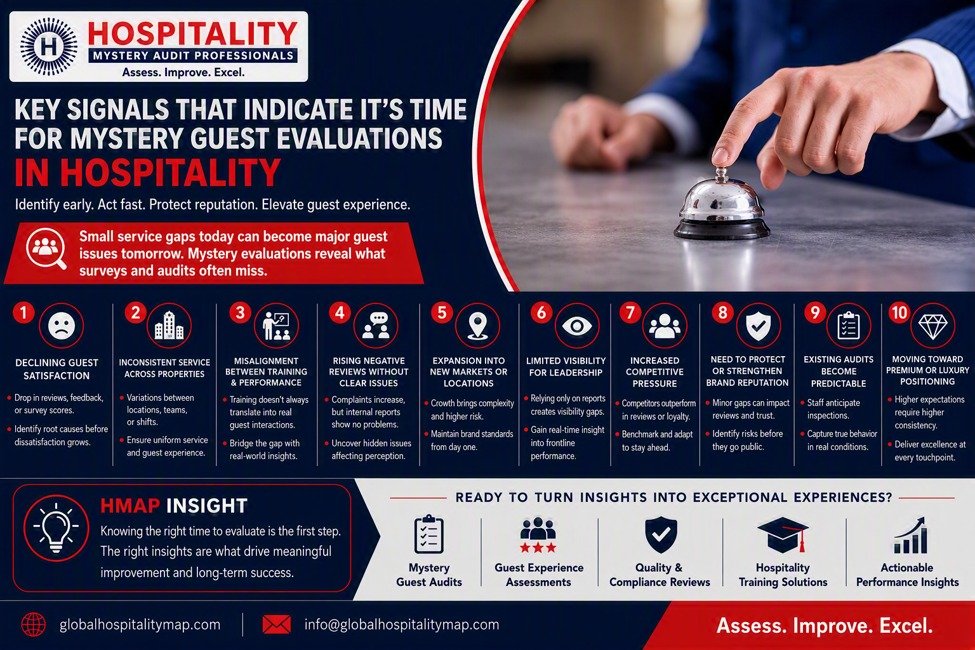
Key Signals That Indicate It’s Time for Mystery Guest Evaluations in Hospitality
23 Aug 2026
Hospitality
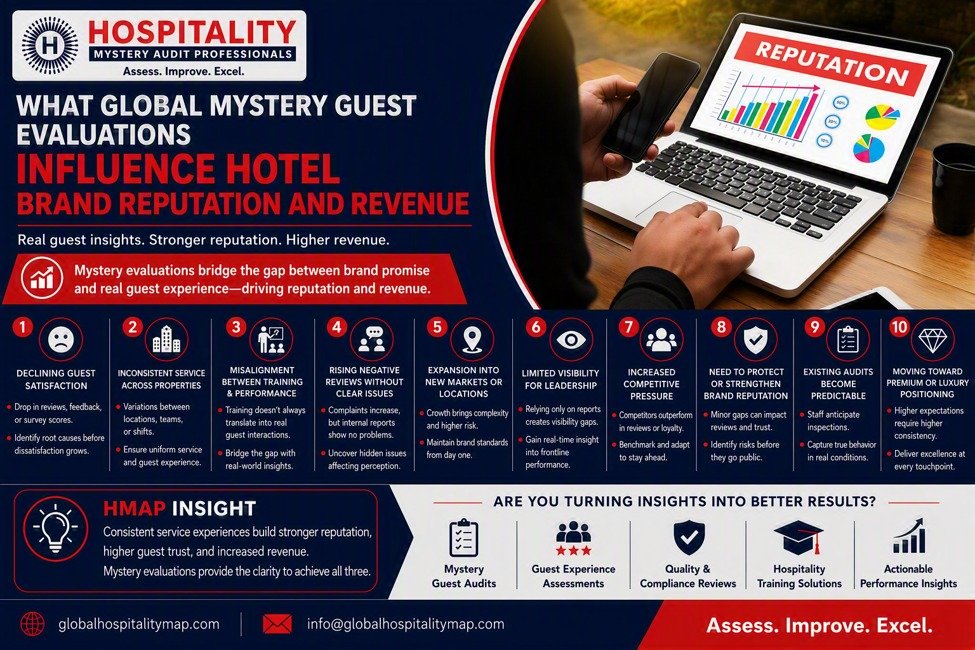
What Global Mystery Guest Evaluations Influence Hotel Brand Reputation and Revenue
01 May 2026
Hospitality
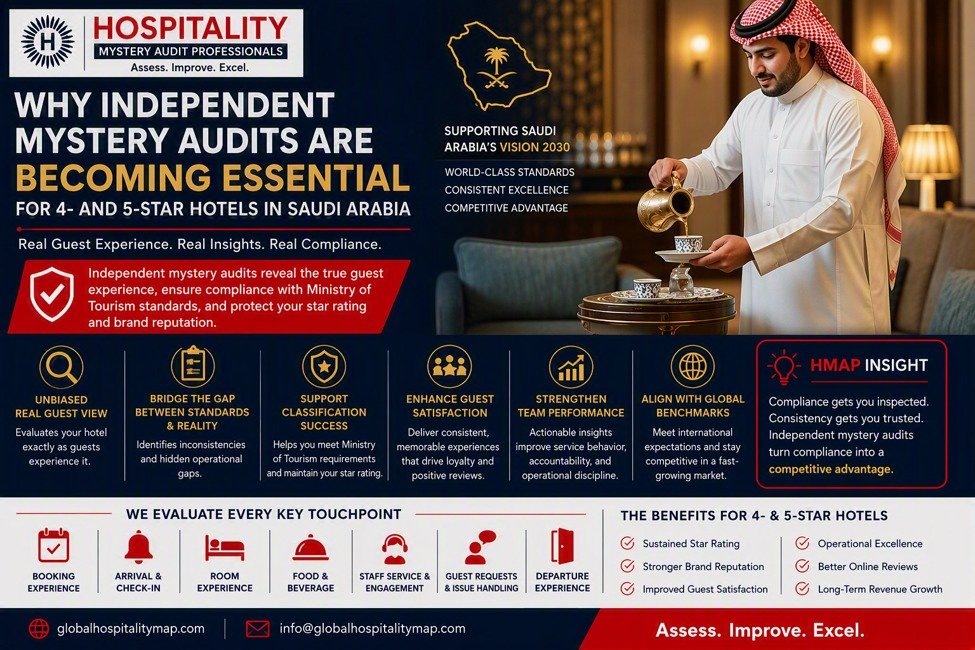
Why Independent Mystery Audits Are Becoming Essential for 4- and 5-Star Hotels in Saudi Arabia
04 Mar 2026